
cell-lung-cancer.jpg
13/Feb/2026

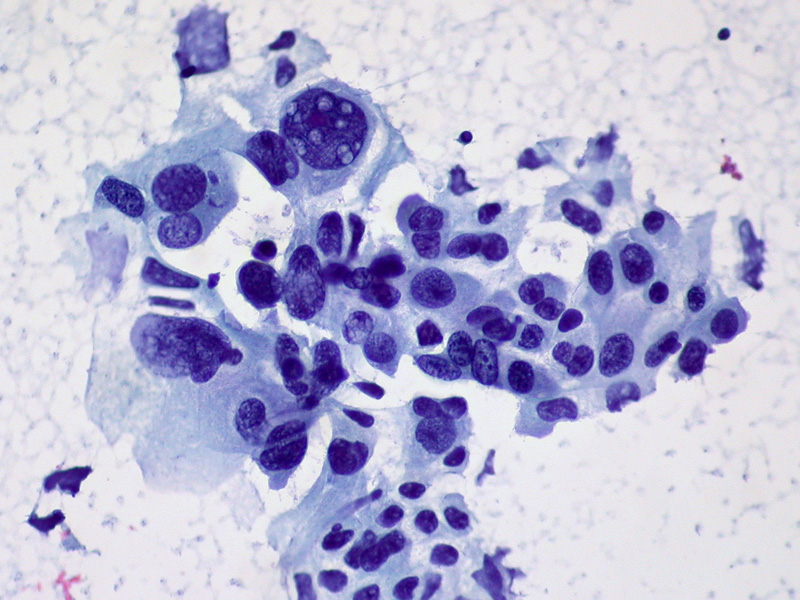
On August 16, 2018, the Food and Drug Administration granted accelerated approval to nivolumab (Opdivo, Bristol-Myers Squibb Company Inc.) for patients with metastatic small cell lung cancer (SCLC) with progression after platinum-based chemotherapy and at least one other line of therapy.

Approval was based on demonstration of a durable overall response rate (ORR) in a subgroup of patients from CheckMate-032 (NCT01928394), a multicenter, open-label trial in patients with metastatic solid tumors. This subgroup comprised 109 patients with metastatic SCLC, with disease progression after platinum-based therapy and at least one other prior line of therapy, regardless of tumor PD-L1 status. All patients received nivolumab 3 mg/kg by intravenous infusion over 60 minutes every 2 weeks.

The major efficacy outcome measures were overall response rate (ORR) and duration of response according to RECIST v1.1 as assessed by blinded independent central review. The ORR was 12% (95% CI: 6.5, 19.5). Responses were durable for 6 months or longer in 77%, 12 months or longer in 62%, and 18 months or longer in 39% of the 13 responding patients. PD-L1 tumor status did not appear to be predictive of response.

Safety data was evaluated in 245 patients with metastatic SCLC with disease progression following platinum-based chemotherapy and received at least one dose of nivolumab at a dose of 3 mg/kg every 2 weeks. The most common (≥20%) adverse reactions in CheckMate-032 were fatigue, decreased appetite, musculoskeletal pain, dyspnea, nausea, diarrhea, constipation and cough. Nivolumab was discontinued for adverse reactions in 10% of patients and 25% of patients had at least one dose withheld for an adverse reaction. Serious adverse reactions occurred in 45% of patients. The most frequent (≥2%) serious adverse reactions were pneumonia, dyspnea, pneumonitis, pleural effusion, and dehydration.

The recommended dose and schedule of nivolumab for this indication is 240 mg every 2 weeks over 30 min.

cancer.jpg
13/Feb/2026

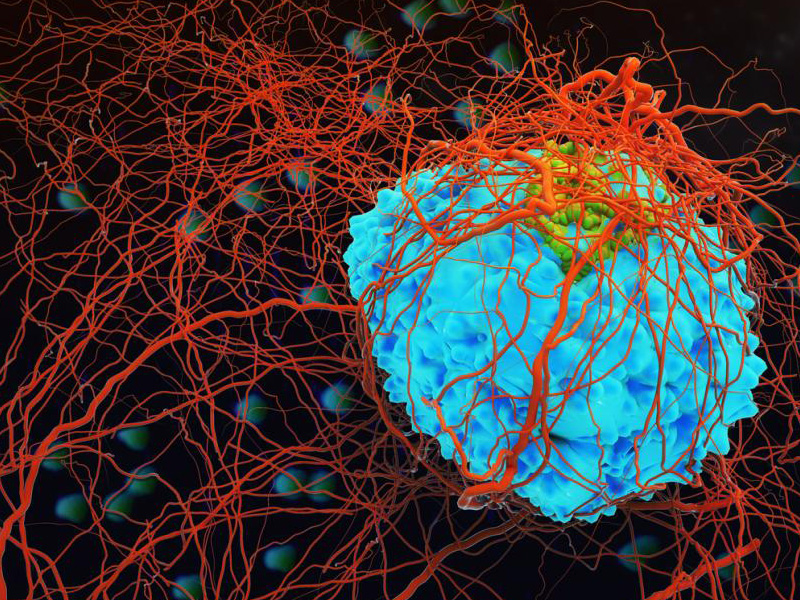
On July 10, 2018, the Food and Drug Administration granted accelerated approval to ipilimumab (YERVOY, Bristol-Myers Squibb Company Inc.) for use in combination with nivolumab for the treatment of patients 12 years of age and older with microsatellite instability-high (MSI-H) or mismatch repair deficient (dMMR) metastatic colorectal cancer (mCRC) that has progressed following treatment with a fluoropyrimidine, oxaliplatin, and irinotecan.

This new use has also been added to the OPDIVO (nivolumab) labeling. Nivolumab received accelerated approval for this indication as a single agent on July 31, 2017.

The approvals were based on data from Study CA209142 (CHECKMATE 142; NCT02060188), a multicenter, non-randomized, multiple parallel-cohort, open-label study that enrolled 82 patients with dMMR or MSI-H mCRC with disease progression during or following fluoropyrimidine-, oxaliplatin-, and irinotecan-based chemotherapy. Assessment of dMMR or MSI-H tumor status was determined by local laboratories. All patients received ipilimumab 1 mg/kg by intravenous (IV) infusion and nivolumab 3 mg/kg IV every 3 weeks for 4 doses, followed by nivolumab 3 mg/kg IV as a single agent every 2 weeks, until unacceptable toxicity or radiographic progression.

Among these 82 patients, the overall response rate (ORR) as assessed by an independent radiographic review committee using RECIST 1.1 was 46% (95% CI: 35,58), with 3 complete and 35 partial responses, and 89% of responding patients had response durations of ≥ 6 months. The ORR was higher than that observed in a separate cohort of 58 patients with dMMR/MSI-H mCRC with disease progression on or following fluoropyrimidine-, oxaliplatin-, and irinotecan-based chemotherapy who received nivolumab alone, with an ORR of 28% with 67% having response durations of ≥ 6 months.

The most common adverse reactions (≥20%) in those receiving ipilimumab and nivolumab are fatigue, diarrhea, pyrexia, musculoskeletal pain, abdominal pain, pruritus, nausea, rash, dyspnea, decreased appetite, and vomiting.

The recommended dosage regimen for this indication is nivolumab 3 mg/kg IV followed by ipilimumab 1 mg/kg every 3 weeks for 4 doses, then nivolumab 240 mg every 2 weeks.

Efficacy for adolescent patients (12 years and older) with MSI-H or dMMR metastatic CRC is extrapolated from the results in the respective adult population.


AML-in-adults.jpg
13/Feb/2026

On November 21, 2018, the Food and Drug Administration granted accelerated approval to venetoclax (VENCLEXTA, AbbVie Inc. and Genentech Inc.) in combination with azacitidine or decitabine or low-dose cytarabine for the treatment of newly-diagnosed acute myeloid leukemia (AML) in adults who are age 75 years or older, or who have comorbidities that preclude use of intensive induction chemotherapy.

Approval was based on two open-label non-randomized trials in patients with newly- diagnosed AML who were > 75 years of age or had comorbidities that precluded the use of intensive induction chemotherapy. Efficacy was established based on the rate of complete remission (CR) and CR duration.

Study M14-358 (NCT02203773) was a non-randomized, open-label clinical trial of venetoclax in combination with azacitidine (n=67) or decitabine (n=13) in newly- diagnosed patients with AML. In combination with azacitidine, 25 patients achieved a CR (37%, 95% CI: 26, 50) with a median observed time in remission of 5.5 months (range: 0.4-30 months). In combination with decitabine, 7 patients achieved a CR (54%, 95% CI: 25, 81) with a median observed time in remission of 4.7 months (range: 1.0-18 months). The observed time in remission is the time from start of CR to data cut-off date or relapse from CR.

Study M14-387 (NCT02287233) was a non-randomized, open-label trial of venetoclax in combination with low-dose cytarabine (n=61) in newly-diagnosed patients with AML, including patients with previous exposure to a hypomethylating agent for an antecedent hematologic disorder. In combination with low-dose cytarabine, 13 patients achieved a CR (21%, 95% CI: 12, 34) with a median observed time in remission of 6 months (range: 0.03-25 months).

The most common adverse reactions (≥30%) to venetoclax in combination with azacitidine or decitabine or low-dose cytarabine were nausea, diarrhea, thrombocytopenia, constipation, neutropenia, febrile neutropenia, fatigue, vomiting, peripheral edema, pneumonia, dyspnea, hemorrhage, anemia, rash, abdominal pain, sepsis, back pain, myalgia, dizziness, cough, oropharyngeal pain, pyrexia, and hypotension.

The recommended venetoclax dose depends upon the combination regimen and is described in prescribing information for VENCLEXTA.

This indication is approved under accelerated approval and continued approval for this indication may be contingent upon verification and description of clinical benefit in confirmatory trials. FDA granted this application priority review, breakthrough therapy designation and orphan product designation. A description of FDA expedited programs is in the Guidance for Industry: Expedited Programs for Serious Conditions-Drugs and Biologics.


treatment-of-NSCLC.jpg
13/Feb/2026

On April 11, 2019, the Food and Drug Administration approved pembrolizumab (KEYTRUDA, Merck Inc.) for the first-line treatment of patients with stage III non-small cell lung cancer (NSCLC) who are not candidates for surgical resection or definitive chemoradiation or metastatic NSCLC. Patients’ tumors must have no EGFR or ALK genomic aberrations and express PD-L1 (Tumor Proportion Score [TPS] ≥1%) determined by an FDA-approved test.

Pembrolizumab was previously approved as a single agent for the first-line treatment of patients with metastatic NSCLC whose tumors express PD-L1 TPS ≥50%.

Approval was based on KEYNOTE‑042 (NCT02220894), a randomized, multicenter, open-label, active-controlled trial conducted in 1274 patients with stage III or IV NSCLC who had not received prior systemic treatment for metastatic NSCLC and whose tumors expressed PD-L1 (TPS ≥1%). PD-L1 expression was determined by an immunohistochemistry assay using the PD-L1 IHC 22C3 pharmDx Kit.

Patients were randomized (1:1) to receive pembrolizumab 200 mg intravenously every 3 weeks or investigator’s choice of a carboplatin-containing regimen with either pemetrexed or paclitaxel. Randomization was stratified by ECOG performance status, histology, geographic region, and PD-L1 expression (TPS ≥50% vs. TPS 1 to 49%).

Overall survival (OS) in the TPS ≥50% NSCLC subgroup, the TPS ≥20% NSCLC subgroup, and the overall population (TPS ≥1%) were the major efficacy measures. The trial demonstrated statistically significant OS improvements for those randomized to pembrolizumab compared with chemotherapy in all three populations.

In the TPS ≥1% population (overall population), the median OS was 16.7 and 12.1 months for the pembrolizumab and chemotherapy arms, respectively (HR 0.81; 95% CI: 0.71, 0.93; p=0.0036). For the TPS ≥ 20% subgroup, the median OS was 17.7 months for the pembrolizumab arm and 13.0 months for the chemotherapy arm (HR 0.77; 95% CI: 0.64, 0.92; p=0.004). For the TPS ≥50% subgroup, the estimated median OS was 20 months and 12.2 months for those receiving pembrolizumab and chemotherapy, respectively (HR 0.69; 95% CI: 0.56, 0.85; p=0.0006). There were no significant differences in progression-free survival or overall response rate between arms in any population.

The most common adverse reactions reported in at least 10% of patients who received pembrolizumab as a single agent in KEYNOTE-042 include fatigue, decreased appetite, dyspnea, cough, rash, constipation, diarrhea, nausea, hypothyroidism, pneumonia, pyrexia, and weight loss.

The recommended pembrolizumab dose for NSCLC is 200 mg as an intravenous infusion over 30 minutes every 3 weeks.


lung_cancer2.jpg
13/Feb/2026

On March 18, 2019, the Food and Drug Administration approved atezolizumab (TECENTRIQ, Genentech Inc.) in combination with carboplatin and etoposide, for the first-line treatment of adult patients with extensive-stage small cell lung cancer (ES-SCLC).

Approval was based on IMpower133 (NCT02763579), a randomized (1:1), multicenter, double-blind, placebo-controlled trial in 403 patients with ES-SCLC who received no prior chemotherapy for extensive stage disease and had ECOG performance status 0 or 1. Patients were randomized to one of the following:

  • atezolizumab 1200 mg and carboplatin AUC 5 mg/mL/min on day 1 and etoposide 100 mg/m2 intravenously on days 1, 2 and 3 of each 21-day cycle for a maximum of 4 cycles, followed by atezolizumab 1200 mg once every 3 weeks until disease progression or unacceptable toxicity, or
  • placebo and carboplatin AUC 5 mg/mL/min on day 1 and etoposide 100 mg/m2 intravenously on days 1, 2, and 3 of each 21-day cycle for a maximum of 4 cycles, followed by placebo once every 3 weeks until disease progression or unacceptable toxicity.

Major efficacy outcome measures were overall survival (OS) and progression-free survival (PFS) as assessed by investigator per RECIST 1.1 in the intent-to-treat population. Median OS was 12.3 months (10.8, 15.9) for patients receiving atezolizumab with chemotherapy and 10.3 months (9.3, 11.3) for those
receiving placebo with chemotherapy (hazard ratio 0.70; 95% CI: 0.54, 0.91; p=0.0069). Median PFS was 5.2 months (4.4, 5.6) compared with 4.3 months (4.2, 4.5) in the atezolizumab and placebo arms, respectively (HR 0.77; 0.62, 0.96; p=0.0170).

The most common adverse reactions reported in ≥ 20% of patients who received atezolizumab in IMpower133 were fatigue/asthenia, nausea, alopecia, constipation, and decreased appetite.

The recommended atezolizumab dose for patients with ES-SCLC is 1200 mg intravenously over 60 minutes every 3 weeks. When administered on the same day, atezolizumab should be administered prior to chemotherapy. If the first infusion is tolerated, all subsequent infusions may be delivered over 30 minutes.


mutation.jpg
13/Feb/2026

On May 2, 2019, the Food and Drug Administration approved ivosidenib (TIBSOVO, Agios Pharmaceuticals, Inc.) for newly-diagnosed acute myeloid leukemia (AML) with a susceptible IDH1 mutation, as detected by an FDA-approved test, in patients who are at least 75 years old or who have comorbidities that preclude the use of intensive induction chemotherapy.

Approval was based on an open-label, single-arm, multicenter clinical trial (Study AG120-C-001, NCT02074839) of single-agent ivosidenib for newly-diagnosed AML with an IDH1 mutation detected by the Abbott RealTimeTM IDH1 Assay. Patients enrolled were at least 75 years old or met at least one of the following criteria: baseline Eastern Cooperative Oncology Group performance status of ≥ 2, severe cardiac or pulmonary disease, hepatic impairment with bilirubin > 1.5 times the upper limit of normal, or creatinine clearance < 45 mL/min. The 28 patients treated had a median age of 77 years (range, 64-87 years), and 22 (79%) had therapy-related AML or AML with myelodysplasia-related changes. Ivosidenib was administered orally at a dose of 500 mg daily until disease progression, development of unacceptable toxicity, or hematopoietic stem cell transplantation. Two of the 28 patients underwent stem cell transplantation following ivosidenib.

Efficacy was based on the rate of complete remission (CR) or complete remission with partial hematologic recovery (CRh), the duration of CR+CRh, and the conversion rate from transfusion dependence to transfusion independence. Twelve (42.9%) of the 28 achieved CR+CRh (95% CI: 24.5, 62.8), and 7 (41.2%) of the 17 transfusion-dependent patients achieved transfusion independence lasting at least 8 weeks.

The adverse reactions that occurred in at least 25% of patients were diarrhea, fatigue, edema, decreased appetite, leukocytosis, nausea, arthralgia, abdominal pain, dyspnea, differentiation syndrome and myalgia. Prescribing information contains a Boxed Warning alerting health care professionals and patients about the risk of differentiation syndrome which may be life-threatening or fatal.

The recommended ivosidenib dose is 500 mg orally once daily with or without food until disease progression or unacceptable toxicity. For patients without disease progression or unacceptable toxicity, treatment is recommended for a minimum of 6 months to allow time for clinical response.


Who are we

Providing cancer care for all patients. At Houston Cancer Treatment Centers providers are offering cutting edge cancer and hematology treatment for the patients in your neighborhood.

Contact Details

PASADENA CLINIC

4102 Woodlawn Ave Suite 160
Pasadena – TX – 77504
+(832) 879-2942


CLEARLAKE / SOUTH EAST HOUSTON

11914 Astoria Suite 480
Houston, TX 77089
+(832) 879-2942

© 2026 Houston Cancer Treatment Centers. Powered by MeshTech Solutions