

dt_160304_breast_cancer_tumor_800x600.jpg
13/Feb/2026

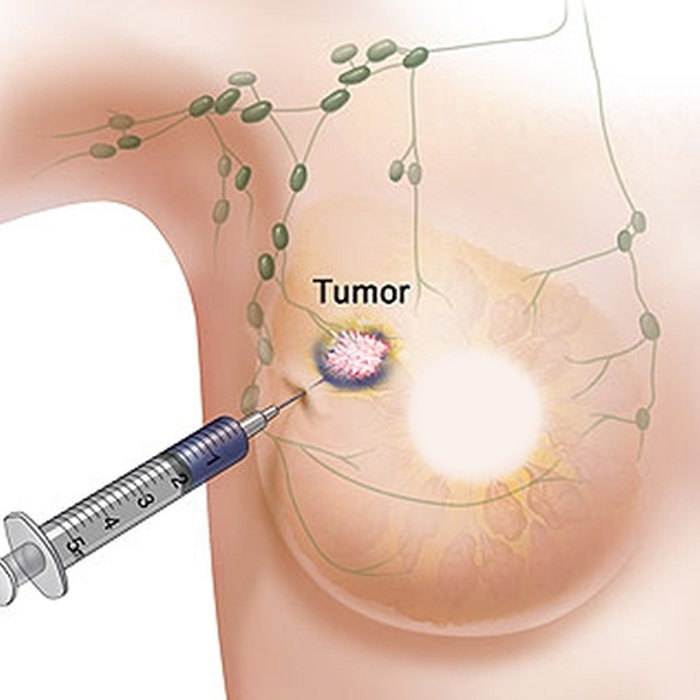
The U.S. Food and Drug Administration today approved Verzenio (abemaciclib) to treat adult patients who have hormone receptor (HR)-positive, human epidermal growth factor receptor 2 (HER2)-negative advanced or metastatic breast cancer that has progressed after taking therapy that alters a patient’s hormones (endocrine therapy). Verzenio is approved to be given in combination with an endocrine therapy, called fulvestrant, after the cancer had grown on endocrine therapy. It is also approved to be given on its own, if patients were previously treated with endocrine therapy and chemotherapy after the cancer had spread (metastasized).

“Verzenio provides a new targeted treatment option for certain patients with breast cancer who are not responding to treatment, and unlike other drugs in the class, it can be given as a stand-alone treatment to patients who were previously treated with endocrine therapy and chemotherapy,” said Richard Pazdur, M.D., director of the FDA’s Oncology Center of Excellence and acting director of the Office of Hematology and Oncology Products in the FDA’s Center for Drug Evaluation and Research.

Verzenio works by blocking certain molecules (known as cyclin-dependent kinases 4 and 6), involved in promoting the growth of cancer cells. There are two other drugs in this class that are approved for certain patients with breast cancer, palbociclib approved in February 2015 and ribociclib approved in March 2017.

Breast cancer is the most common form of cancer in the United States. The National Cancer Institute at the National Institutes of Health estimates approximately 252,710 women will be diagnosed with breast cancer this year, and 40,610 will die of the disease. Approximately 72 percent of patients with breast cancer have tumors that are HR-positive and HER2-negative.

The safety and efficacy of Verzenio in combination with fulvestrant were studied in a randomized trial of 669 patients with HR-positive, HER2-negative breast cancer that had progressed after treatment with endocrine therapy and who had not received chemotherapy once the cancer had metastasized. The study measured the length of time tumors did not grow after treatment (progression-free survival). The median progression-free survival for patients taking Verzenio with fulvestrant was 16.4 months compared to 9.3 months for patients taking a placebo with fulvestrant.

The safety and efficacy of Verzenio as a stand-alone treatment were studied in a single-arm trial of 132 patients with HR-positive, HER2-negative breast cancer that had progressed after treatment with endocrine therapy and chemotherapy after the cancer metastasized. The study measured the percent of patients whose tumors completely or partially shrank after treatment (objective response rate). In the study, 19.7 percent of patients taking Verzenio experienced complete or partial shrinkage of their tumors for a median 8.6 months.

Common side effects of Verzenio include diarrhea, low levels of certain white blood cells (neutropenia and leukopenia), nausea, abdominal pain, infections, fatigue, low levels of red blood cells (anemia), decreased appetite, vomiting and headache.

Serious side effects of Verzenio include diarrhea, neutropenia, elevated liver blood tests and blood clots (deep venous thrombosis/pulmonary embolism). Women who are pregnant should not take Verzenio because it may cause harm to a developing fetus.

The FDA granted this application Priority Review and Breakthrough Therapy designations.

The FDA granted the approval of Verzenio to Eli Lilly and Company.

The FDA, an agency within the U.S. Department of Health and Human Services, protects the public health by assuring the safety, effectiveness, and security of human and veterinary drugs, vaccines and other biological products for human use, and medical devices. The agency also is responsible for the safety and security of our nation’s food supply, cosmetics, dietary supplements, products that give off electronic radiation, and for regulating tobacco products.


THUMBNAIL_shutterstock_323058170.jpg
13/Feb/2026

On Aug. 17, 2017, the U.S. Food and Drug Administration granted regular approval to olaparib tablets (Lynparza, AstraZeneca) for the maintenance treatment of adult patients with recurrent epithelial ovarian, fallopian tube, or primary peritoneal cancer, who are in a complete or partial response to platinum-based chemotherapy.

With the addition of the new indication, a tablet formulation of olaparib is introduced. FDA approved olaparib capsules in 2014 for the treatment of patients with deleterious or suspected deleterious germline BRCA-mutated advanced ovarian cancer who have been treated with three or more prior lines of chemotherapy. Today, FDA also approved olaparib tablets for this indication. Olaparib tablets and capsules are not interchangeable. Olaparib capsules are being phased out of the U.S. market and will be available only through the Lynparza Specialty Pharmacy Network.

The approval in the maintenance setting was based on two randomized, placebo-controlled, double-blind, multicenter trials in patients with recurrent ovarian cancers who were in response to platinum-based therapy.

SOLO-2 (NCT01874353) randomized 295 patients with recurrent germline BRCA-mutated ovarian, fallopian tube, or primary peritoneal cancer (2:1) to receive olaparib tablets 300 mg orally twice daily or placebo. SOLO-2 demonstrated a statistically significant improvement in investigator-assessed progression-free survival (PFS) in patients randomized to olaparib compared with those who received placebo, with a hazard ratio (HR) of 0.30 (95% CI: 0.22, 0.41; p<0.0001). The estimated median PFS was 19.1 and 5.5 months in the olaparib and placebo arms, respectively.

Study 19 (NCT00753545) randomized 265 patients regardless of BRCA status (1:1) to receive olaparib capsules 400 mg orally twice daily or placebo. Study 19 demonstrated a statistically significant improvement in investigator-assessed PFS in patients treated with olaparib vs. placebo with a HR of 0.35 (95% CI: 0.25, 0.49; p<0.0001). The estimated median PFS was 8.4 months and 4.8 months in the olaparib and placebo arms, respectively.

The most common adverse reactions (≥20%) in clinical trials were anemia, nausea, fatigue (including asthenia), vomiting, nasopharyngitis, diarrhea, arthralgia/myalgia, dysgeusia, headache, dyspepsia, decreased appetite, constipation, and stomatitis. The most common laboratory abnormalities (≥25%) were decrease in hemoglobin, increase in mean corpuscular volume, decrease in lymphocytes, decrease in leukocytes, decrease in absolute neutrophil count, increase in serum creatinine, and decrease in platelets.

The recommended olaparib tablet dose for both the maintenance therapy and later line treatment setting is 300 mg (two 150 mg tablets) taken orally twice daily with or without food.

Full prescribing information is available at:
https://www.accessdata.fda.gov/drugsatfda_docs/label/2017/208558s000lbl.pdf.

FDA granted this application Fast Track status. A description of FDA expedited programs is in the Guidance for Industry: Expedited Programs for Serious Conditions-Drugs and Biologics, available at: http://www.fda.gov/downloads/drugs/guidancecomplianceregulatoryinformation/guidances/ucm358301.pdf.

Healthcare professionals should report all serious adverse events suspected to be associated with the use of any medicine and device to FDA’s MedWatch Reporting System by completing a form online at http://www.fda.gov/medwatch/report.htm, by faxing (1-800-FDA-0178) or mailing the postage-paid address form provided online, or by telephone (1-800-FDA-1088).

Follow the Oncology Center of Excellence on Twitter @FDAOncologydisclaimer icon.

Check out recent approvals at the OCE’s new podcast, Drug Information Soundcast in Clinical Oncology (D.I.S.C.O.), available at www.fda.gov/DISCO.


merkel-cell-article.__v20044407.jpg
13/Feb/2026

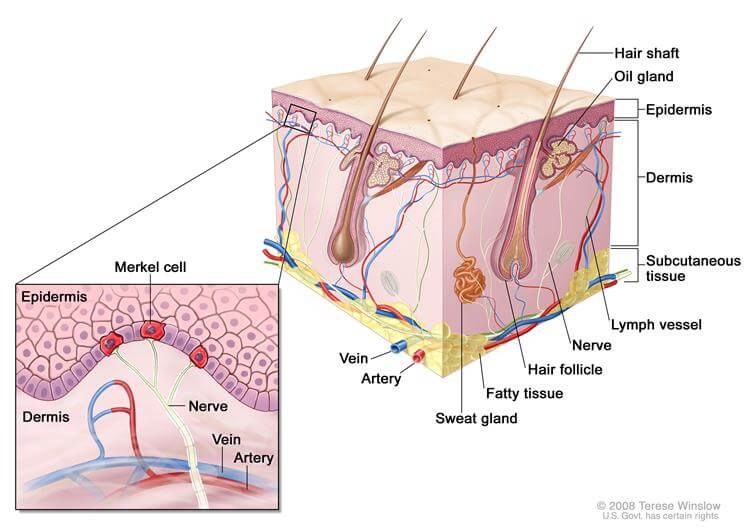
The Food and Drug Administration (FDA) has approved the immunotherapy drug avelumab (Bavencio®) for the treatment of some patients with a rare and aggressive skin cancer known as Merkel cell carcinoma. It is the first FDA-approved treatment for this disease.

The approval was based on results from a clinical trial that included 88 patients with metastaticMerkel cell carcinoma who had previously been treated with chemotherapy. Now, the researchers who conducted the trial have presented new results from the trial with longer follow-up.

The new data, based on a median follow-up of 16.4 months, show a small increase in the overall response rate compared with 6 months of follow-up, from 31% to 33%.

Ten patients had complete responses and 19 had partial responses, Howard L. Kaufman, M.D., of the Rutgers Cancer Institute of New Jersey, reported on April 3 at the American Association for Cancer Research (AACR) annual meeting in Washington, DC.

Nearly all of the patients who initially responded to the drug continued to respond, with most responses lasting for more than a year, Dr. Kaufman noted. At the time of the data analysis, 21 of the responses were ongoing, and the median duration of response had not been reached.

The study authors estimate that 74% of patients with Merkel cell carcinoma who respond to avelumab will have a response that lasts a year or longer.

“We have seen dramatic responses in some patients within 6 weeks, and, just as important, the responses appear to be durable,” Dr. Kaufman said. Moreover, he continued, “the drug appears to be relatively safe. The main side effects were fatigue and infusion-related reactions, which were manageable.”

Avelumab “represents an important advance in the management of a cancer that is often fatal and historically has had no effective treatments,” Dr. Kaufman added.

Most of the patients in the study had been “heavily pretreated” with chemotherapy, noted Suzanne Topalian, M.D., of the Johns Hopkins University School of Medicine, who moderated a press briefing on immunotherapies at the AACR meeting but was not involved in the trial.

But even in patients with difficult-to-treat disease, Dr. Topalian continued, there was “a very nice response” to avelumab.

A New Immunotherapy

The FDA’s approval is for adults and pediatric patients 12 years and older who have metastatic Merkel cell carcinoma, including patients who have not been treated with chemotherapy previously.

In the United States, Merkel cell carcinoma is diagnosed in fewer than 2,000 individuals each year, most of them elderly or with weakened immune systems. Chemotherapy can shrink Merkel cell tumors, but the cancer usually begins growing again within 6 months.

Some Merkel cell tumors have high levels of DNA damage caused by sun exposure. Most tumors are caused by a virus, called Merkel cell polyomavirus, that is often present in healthy skin but in rare cases can result in cancer.

The association with the virus and the fact that tumor incidence is much higher in immune-suppressed populations contributed to the decision in 2013 by researchers at NCI and their colleagues to test an immunotherapy in patients with the disease.

“Virus-positive tumors are a natural target for the immune system,” said James Gulley, M.D., Ph.D., of NCI’s Center for Cancer Research (CCR), who coordinated the first-in-human clinical trial of avelumab. He also provided advice about the clinical development of avelumab to the drug’s maker, EMD Serono, a biopharmaceutical division of Merck KGaA.

Avelumab belongs to a group of immunotherapy drugs known as immune checkpoint inhibitors. These agents “remove the brakes” on the immune system, allowing immune cells to kill cancer cells more effectively. The protein targeted by avelumab, called PD-L1, is overexpressed in many Merkel cell tumors.

Avelumab is an antibody and may also attack tumor cells through a second mechanism, called antibody-dependent cell-mediated cytotoxicity, noted Dr. Gulley. In this type of immune reaction, certain white blood cells kill tumor cells that are coated with the drug.

Clinical Trial Results

Since the launch of the phase I trial at NCI about 5 years ago, the drug has been tested in more than 1,700 patients around the world with various types of cancer, including melanoma and gastric, lung, and ovarian cancers.

The phase II JAVELIN Merkel 200 study, which led to the FDA approval and was funded by Merck KGaA and Pfizer, is still recruiting patients. To assess the effects of avelumab in previously untreated patients with Merkel cell carcinoma, Dr. Kaufman and his colleagues have enrolled several dozen patients on another cohort of this clinical trial.

Preliminary results from this new study are consistent with results from the JAVELIN trial, showing that the drug shrinks tumors and is well tolerated, according to Dr. Kaufman.

In 2016, another phase II trial showed that pembrolizumab, which targets a checkpoint protein called PD-1, was effective in some patients with Merkel cell carcinoma. That trial, which had funding support from NCI, also included patients who had not received chemotherapy previously.

Next Steps

Now that a treatment for Merkel cell carcinoma is available for the first time, Dr. Kaufman said there is an opportunity to increase awareness about the disease, particularly among physicians. Some patients visit multiple doctors before receiving a proper diagnosis, which is especially concerning because in some cases the disease can progress very rapidly, he noted.

For researchers, understanding why some patients respond to avelumab and others do not will be important, said Isaac Brownell, M.D., Ph.D., of CCR’s Dermatology Branch, who treated patients on the avelumab trial at the NIH Clinical Center.

“We need to figure out how to increase the response rates further so that even more patients will benefit,” Dr. Brownell said. “We need to determine if we can combine avelumab with other drugs to help even more patients.”

Dr. Gulley agreed. “We have just begun to see the approval data for this drug as a single agent,” he said, “but I truly believe that it is the combination approaches that will prove even more effective in a range of different tumors.”

Although no combination trials for patients with Merkel cell carcinoma have been established yet, the researchers have been discussing possibilities. Combinations will likely be a topic of discussion at a workshop on Merkel cell carcinoma that will take place in early 2018 and will be sponsored by NCI’s Rare Tumor Initiative.

“The goal of the meeting will be to develop a consensus on how to best move forward with advancing research on treatment for this disease,” said Dr. Brownell.


adjuvant.jpg
13/Feb/2026

The U.S. Food and Drug Administration today approved Rydapt (midostaurin) for the treatment of adult patients with newly diagnosed acute myeloid leukemia (AML) who have a specific genetic mutation called FLT3, in combination with chemotherapy. The drug is approved for use with a companion diagnostic, the LeukoStrat CDx FLT3 Mutation Assay, which is used to detect the FLT3 mutation in patients with AML.

AML is a rapidly progressing cancer that forms in the bone marrow and results in an increased number of white blood cells in the bloodstream. The National Cancer Institute estimated that approximately 19,930 people would be diagnosed with AML in 2016 and 10,430 were projected to die of the disease.

“Rydapt is the first targeted therapy to treat patients with AML, in combination with chemotherapy,” said Richard Pazdur, M.D., acting director of the Office of Hematology and Oncology Products in the FDA’s Center for Drug Evaluation and Research and director of the FDA’s Oncology Center of Excellence. “The ability to detect the gene mutation with a diagnostic test means doctors can identify specific patients who may benefit from this treatment.”

Rydapt is a kinase inhibitor that works by blocking several enzymes that promote cell growth. If the FLT3 mutation is detected in blood or bone marrow samples using the LeukoStrat CDx FLT3 Mutation Assay, the patient may be eligible for treatment with Rydapt in combination with chemotherapy.

The safety and efficacy of Rydapt for patients with AML were studied in a randomized trial of 717 patients who had not been treated previously for AML. In the trial, patients who received Rydapt in combination with chemotherapy lived longer than patients who received chemotherapy alone, although a specific median survival rate could not be reliably estimated. In addition, patients who received Rydapt in combination with chemotherapy in the trial went longer (median 8.2 months) without certain complications (failure to achieve complete remission within 60 days of starting treatment, progression of leukemia or death) than patients who received chemotherapy alone (median three months).

Common side effects of Rydapt in patients with AML include low levels of white blood cells with fever (febrile neutropenia), nausea, inflammation of the mucous membranes (mucositis), vomiting, headache, spots on the skin due to bleeding (petechiae), musculoskeletal pain, nosebleeds (epistaxis), device-related infection, high blood sugar (hyperglycemia) and upper respiratory tract infection. Rydapt should not be used in patients with hypersensitivity to midostaurin or other ingredients in Rydapt. Women who are pregnant or breastfeeding should not take Rydapt because it may cause harm to a developing fetus or a newborn baby. Patients who experience signs or symptoms of lung damage (pulmonary toxicity) should stop using Rydapt.

Rydapt was also approved today for adults with certain types of rare blood disorders (aggressive systemic mastocytosis, systemic mastocytosis with associated hematological neoplasm or mast cell leukemia). Common side effects of Rydapt in these patients include nausea, vomiting, diarrhea, swelling (edema), musculoskeletal pain, abdominal pain, fatigue, upper respiratory tract infection, constipation, fever, headache and shortness of breath.

The FDA granted this application Priority ReviewFast Track (for the mastocytosis indication) and Breakthrough Therapy (for the AML indication) designations.

The FDA granted the approval of Rydapt to Novartis Pharmaceuticals Corporation. The FDA granted the approval of the LeukoStrat CDx FLT3 Mutation Assay to Invivoscribe Technologies Inc.

The FDA, an agency within the U.S. Department of Health and Human Services, protects the public health by assuring the safety, effectiveness, and security of human and veterinary drugs, vaccines and other biological products for human use, and medical devices. The agency also is responsible for the safety and security of our nation’s food supply, cosmetics, dietary supplements, products that give off electronic radiation, and for regulating tobacco products.
Related Information


dt_150326_liver_cancer_800x600.jpg
13/Feb/2026

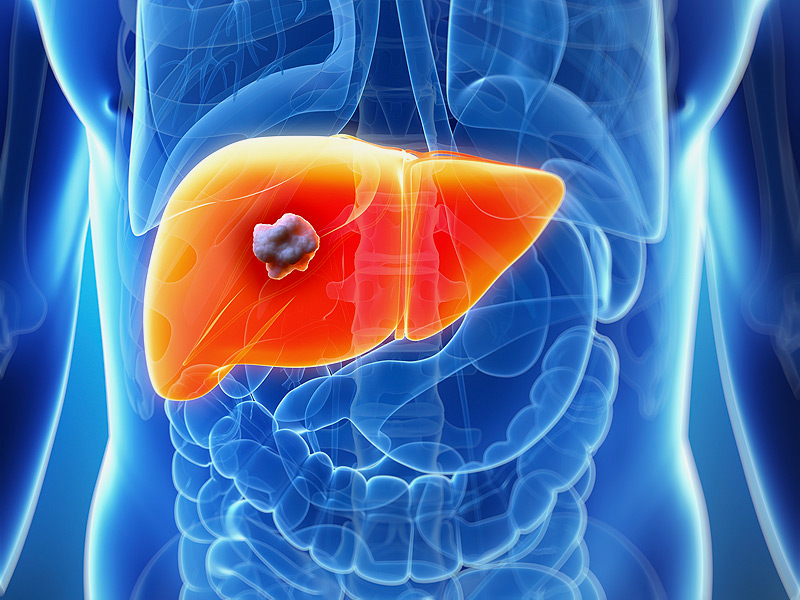
The U.S. Food and Drug Administration today expanded the approved use of Stivarga (regorafinib) to include treatment of patients with hepatocellular carcinoma (HCC or liver cancer) who have been previously treated with the drug sorafenib. This is the first FDA-approved treatment for a liver cancer in almost a decade.

“Limited treatment options are available for patients with liver cancer,” said Richard Pazdur, M.D., acting director of the Office of Hematology and Oncology Products in the FDA’s Center for Drug Evaluation and Research and director of the FDA’s Oncology Center of Excellence. “This is the first time patients with HCC have had an FDA-approved treatment that can be used if their cancer has stopped responding to initial treatment with sorafenib.”

According to the National Cancer Institute, approximately 40,710 people will be diagnosed with liver cancers in 2017 and approximately 28,920 will die of these diseases. HCC originates in the liver and is the most common form of liver cancer.

Stivarga is a kinase inhibitor that works by blocking several enzymes that promote cancer growth, including enzymes in the vascular endothelial growth factor pathway. Stivarga is also approved to treat colorectal cancer and gastrointestinal stromal tumors that are no longer responding to previous treatments.

The safety and efficacy of Stivarga for treatment of HCC were studied in a randomized trial of 573 patients with HCC whose tumors had progressed after receiving sorafenib. The trial measured the length of time the patients lived after receiving treatment (overall survival), the length of time tumors did not grow after treatment (progression-free survival) and the percent of patients whose tumors completely or partially shrank after treatment (overall response rate). The median overall survival for patients taking Stivarga was 10.6 months, compared to 7.8 months for patients taking a placebo. The median progression-free survival for patients taking Stivarga was 3.1 months compared to 1.5 months for patients taking a placebo. The overall response rate for patients taking Stivarga was 11 percent, compared to 4 percent of patients taking placebo.

Common side effects of Stivarga include pain (including gastrointestinal and abdominal pain), hand-foot skin reaction, fatigue, diarrhea, decreased appetite, high blood pressure (hypertension), infection, difficulty speaking (dysphonia), high levels of bilirubin in the blood (hyperbilirubinemia), fever, inflammation of the mucous membranes (mucositis), weight loss, rash and nausea. Stivarga is associated with serious risks, including liver damage (hepatotoxicity), infections, heavy bleeding (hemorrhage), holes in the stomach or intestines (gastrointestinal perforation or fistula), skin damage (dermatologic toxicity), hypertension, problems with blood flow to the heart (cardiac ischemia and infarction), temporary brain swelling(reversible posterior leukoencephalopathy syndrome) and wound healing complications.

Women who are pregnant or breastfeeding should not take Stivarga because it may cause harm to a developing fetus or a newborn baby. Women and men who are taking Stivarga should use effective contraception during and for two months after taking the final dose.

This Stivarga application was granted Priority Review designation, under which the FDA’s goal is to take action on an application within six months where the agency determines that the drug, if approved, would significantly improve the safety or effectiveness of treating, diagnosing or preventing a serious condition.

This indication for Stivarga also received Orphan Drug designation, which provides incentives to assist and encourage the development of drugs for rare diseases.

The FDA granted the approval of Stivarga to Bayer HealthCare Pharmaceuticals Inc.

The FDA, an agency within the U.S. Department of Health and Human Services, protects the public health by assuring the safety, effectiveness, and security of human and veterinary drugs, vaccines and other biological products for human use, and medical devices. The agency also is responsible for the safety and security of our nation’s food supply, cosmetics, dietary supplements, products that give off electronic radiation, and for regulating tobacco products.

bcancer-s2.jpg
13/Feb/2026

The U.S. Food and Drug Administration today approved Nerlynx (neratinib) for the extended adjuvant treatment of early-stage, HER2-positive breast cancer. For patients with this type of cancer, Nerlynx is the first extended adjuvant therapy, a form of therapy that is taken after an initial treatment to further lower the risk of the cancer coming back. Nerlynx is indicated for adult patients who have been previously treated with a regimen that includes the drug trastuzumab.

“HER2-positive breast cancers are aggressive tumors and can spread to other parts of the body, making adjuvant therapy an important part of the treatment plan,” said Richard Pazdur, M.D., director of the FDA’s Oncology Center of Excellence and acting director of the Office of Hematology and Oncology Products in the FDA’s Center for Drug Evaluation and Research. “Now, these patients have an option after initial treatment that may help keep the cancer from coming back.”

Breast cancer is the most common form of cancer in the United States. The National Cancer Institute (NCI) estimates approximately 252,710 women will be diagnosed with breast cancer this year, and 40,610 will die of the disease. According to the NCI, approximately 15 percent of patients with breast cancer have tumors that are HER2-positive.

Nerlynx is a kinase inhibitor that works by blocking several enzymes that promote cell growth.

The safety and efficacy of Nerlynx were studied in a randomized trial of 2,840 patients with early-stage, HER2-positive breast cancer who completed treatment with trastuzumab within the previous two years. The study measured the amount of time after the start of the trial that it took for the cancer to come back or for death to occur from any cause (invasive, disease-free survival). After two years, 94.2 percent of patients treated with Nerlynx had not experienced cancer recurrence or death compared with 91.9 percent of patients receiving placebo.

Common side effects of Nerlynx include diarrhea, nausea, abdominal pain, fatigue, vomiting, rash, swollen and sore mouth (stomatitis), decreased appetite, muscle spasms, indigestion (dyspepsia), liver damage (AST or ALT enzyme increase), nail disorder, dry skin, abdominal swelling (distention), weight loss and urinary tract infection.

Patients should be given loperamide for the first 56 days of treatment with Nerlynx and as needed thereafter to help manage diarrhea. Additional antidiarrheals, fluids and electrolytes should also be given as clinically indicated to help manage diarrhea. Patients who experience severe side effects, including diarrhea or liver damage (hepatotoxicity), should stop taking Nerlynx. Women who are pregnant or breastfeeding should not take Nerlynx because it may cause harm to a developing fetus or a newborn baby.

The FDA granted the approval of Nerlynx to Puma Biotechnology Inc.

The FDA, an agency within the U.S. Department of Health and Human Services, protects the public health by assuring the safety, effectiveness, and security of human and veterinary drugs, vaccines and other biological products for human use, and medical devices. The agency also is responsible for the safety and security of our nation’s food supply, cosmetics, dietary supplements, products that give off electronic radiation, and for regulating tobacco products.


Who are we

Providing cancer care for all patients. At Houston Cancer Treatment Centers providers are offering cutting edge cancer and hematology treatment for the patients in your neighborhood.

Contact Details

PASADENA CLINIC

4102 Woodlawn Ave Suite 160
Pasadena – TX – 77504
+(832) 879-2942


CLEARLAKE / SOUTH EAST HOUSTON

11914 Astoria Suite 480
Houston, TX 77089
+(832) 879-2942

© 2026 Houston Cancer Treatment Centers. Powered by MeshTech Solutions